Tenant Rights When Your Landlord Won't Make Repairs
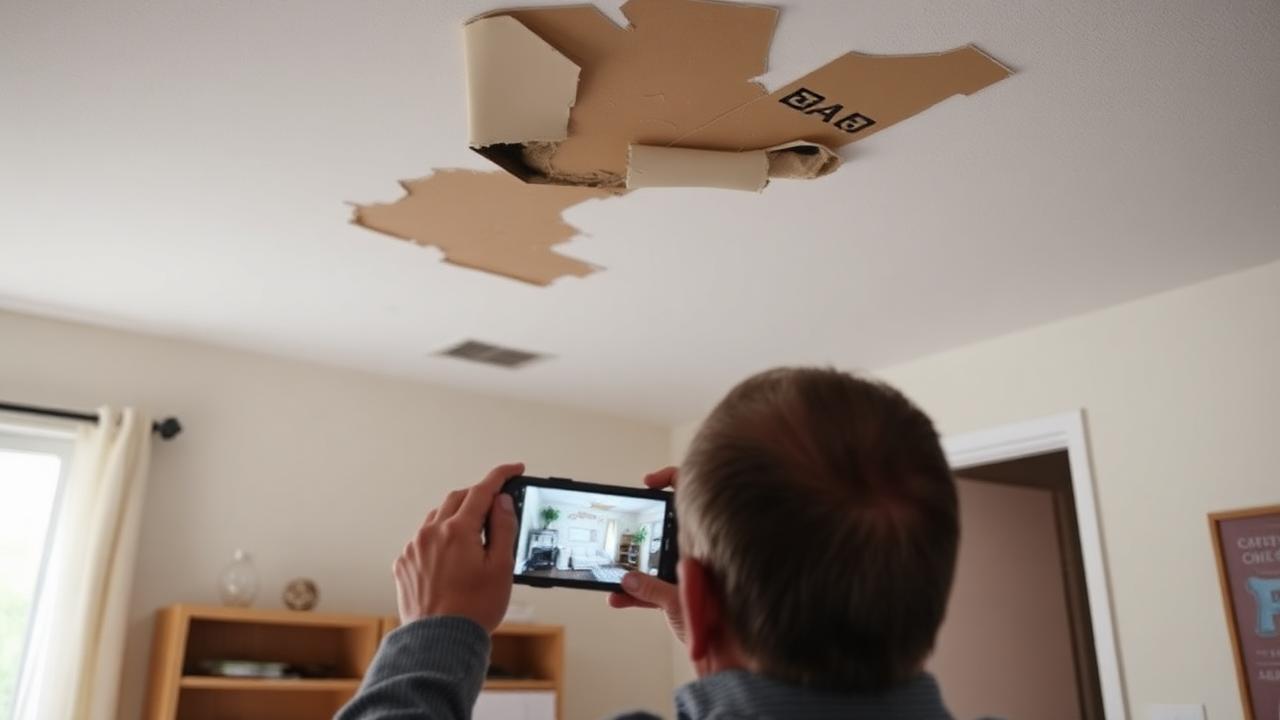
A broken heater in January. Mold spreading across the bathroom ceiling. A leaking pipe that's ruining your floors. You've called, texted, and emailed your landlord — and they've done nothing.
You have more power than you think. Every state in the U.S. requires landlords to maintain rental units in livable condition. When they don't, tenants have legal remedies that range from rent reductions to breaking the lease entirely without penalty.
The implied warranty of habitability
In nearly every state, every residential lease comes with an automatic, unwritten guarantee called the implied warranty of habitability. It means your landlord is legally required to provide:
- Working heat (and in many states, A/C)
- Hot and cold running water
- Functioning plumbing
- Safe electrical systems
- Weatherproof structure (no leaks, no major damage)
- A unit free from health hazards (mold, lead, pests, gas leaks)
- Working locks on exterior doors
- Compliance with local building and health codes
If your landlord fails to provide any of these, they're breaking the law — and you have remedies.
Step 1: Document everything
Before you take any action, build your paper trail. This is the single most important step.
- Take photos and video of the problem with timestamps
- Save all communication — emails, texts, voicemails, letters
- Keep dated copies of every repair request
- Get witnesses — neighbors, friends, anyone who has seen the problem
- Save any bills related to the issue (medical, replacement items, hotels)
Without documentation, you have no case. With it, you have leverage.
Step 2: Make a formal written repair request
Even if you've already complained verbally, send a formal written request. This creates the legal "notice" requirement most remedies depend on.
Your written request should include:
- Date
- Specific description of the problem
- When it started
- How it affects habitability (no heat, no water, etc.)
- A reasonable deadline for repair (typically 14–30 days, shorter for emergencies)
- Notice that you'll pursue legal remedies if not addressed
Send it by email and certified mail. Keep copies of everything.
Step 3: Know your remedies
Your options depend on your state's laws and the severity of the problem. The most common remedies:
Remedy 1 – Repair and deduct
In about 30 states, you can hire a professional to make the repair yourself, then deduct the cost from your next rent payment. There are limits:
- Usually capped at 1 month's rent or a fixed dollar amount
- The repair must be necessary to make the unit habitable
- You must have given the landlord proper written notice and time to fix it
- You typically need a paid invoice and a copy sent to the landlord
This is one of the most effective remedies because it forces action without going to court.
Remedy 2 – Withhold rent
Some states allow you to withhold rent entirely until the landlord makes the repair. Others require you to deposit the withheld rent into an escrow account. This is risky — withholding rent improperly can result in eviction. Always check your state's specific rules and ideally consult a tenant attorney before going this route.
Remedy 3 – Rent reduction
Even if you keep paying rent, you can later sue for a partial refund based on the unit's reduced value. If you had no heat for two months, you can argue the unit was worth significantly less during that period and demand the difference.
Remedy 4 – Report code violations
Call your local housing or health department and request an inspection. Code inspectors carry serious weight — they can issue citations, fines, and orders that legally force the landlord to fix the issue. This often resolves problems within days.
Remedy 5 – Break the lease (constructive eviction)
If conditions are bad enough that the unit is essentially uninhabitable, you can move out and treat the lease as terminated. This is called constructive eviction. To use it successfully:
- The conditions must be severe (no heat in winter, untreated mold, raw sewage)
- You must have given the landlord written notice and reasonable time to fix
- You must move out within a reasonable time after the landlord fails to act
- You should have strong documentation
When done correctly, constructive eviction releases you from the lease entirely and entitles you to your deposit back, plus possibly damages.
Remedy 6 – Sue for damages
You can sue your landlord in small claims court for:
- Cost of repairs you paid for
- Property damage caused by the issue (ruined furniture, electronics)
- Hotel or alternative housing costs
- Medical bills if the conditions caused illness or injury
- In some states, double or triple damages plus attorney fees
Small claims is fast (often resolved in 30–60 days), cheap (filing fees of $30–100), and doesn't require a lawyer.
What landlords cannot do in retaliation
Once you've made a complaint or pursued a remedy, your landlord cannot legally:
- Raise your rent
- Refuse to renew your lease
- Reduce services (parking, laundry, etc.)
- Try to evict you
- Harass or threaten you
Most states presume any of these actions within 6 months of your complaint to be illegal retaliation. If your landlord retaliates, you can sue for damages and an injunction to stop them.
Special protections for emergency repairs
For true emergencies — no heat in winter, no running water, gas leaks, sewage backups — most states require landlords to act within 24 to 72 hours. If they don't, your remedies kick in immediately, with no need to wait the standard 14–30 days.
When to involve a lawyer
Most repair disputes can be resolved without an attorney. But you should consult one if:
- You're considering withholding rent
- You're planning to break the lease
- The landlord is threatening eviction
- You've suffered serious property damage or health impacts
- You want to sue for significant damages
Many states have free tenant legal aid for low-income renters. Search "[your state] tenant legal aid" to find local resources.
Not sure which remedies your lease and state allow? Upload your lease to our free AI tool. We'll analyze your specific lease, identify the applicable habitability rules in your state, and lay out exactly what you can do — including whether you can break the lease.
The bottom line
A landlord who refuses to make repairs is not just being difficult — they're breaking the law. Document everything, send written notice, and don't be afraid to use the remedies your state gives you. Most landlords act fast once they realize you know your rights and you're willing to enforce them.
Frequently asked questions
How long does my landlord have to make a repair?
+
It depends on the severity. True emergencies (no heat in winter, no water, sewage) usually require action within 24–72 hours. Standard repairs typically allow 14–30 days from written notice. Always check your state's specific timelines.
Can I stop paying rent until repairs are made?
+
In some states yes, but it's legally risky and improperly withholding rent can result in eviction. Most experts recommend the safer 'repair and deduct' remedy or paying rent into an escrow account. Always consult a tenant attorney before withholding.
What counts as 'uninhabitable' for breaking a lease?
+
Conditions that significantly impair health, safety, or basic living — no heat in winter, no running water, severe mold, structural damage, infestations, raw sewage, or gas leaks. Cosmetic issues, minor leaks, or appliance breakdowns generally don't qualify on their own.
Can my landlord evict me for filing a complaint?
+
No. This is illegal retaliation in nearly every state. If your landlord tries to evict, raise your rent, or refuse renewal within roughly 6 months of your complaint, you can sue for damages and block the eviction.
This article is informational only and does not constitute legal advice. Tenant laws vary by state and individual circumstances differ. Always consult a licensed attorney before taking action on your lease.